Monday, June 15, 2020

Symptoms of Appendicitis: Sharp Pain in the Right Side of the Stomach?

Appendicitis is a condition for inflammation in the appendix, a small finger-like tube that extends from the large intestine to the right side of the body—the inflammation results in severe abdominal pain. Immediate surgery to remove the appendix is the standard procedure because if left in place, the inflamed appendix would burst and result in the infection spreading through the body, often with the most severe consequences. The appendix is not an essential organ, and removing it does not affect the health in any way.

Woman Lying on Couch


The Symptoms

The exact nature of the symptoms and the severity may vary significantly from person to person. However, there are some common signs of an inflamed appendix that appear in almost all cases. These include:

  • Loss of appetite.
  • Fever that may go up to 102 degrees F or even higher.
  • A swollen belly.
  • Inability to pass gas.
  • Pain in the lower abdomen, starting near the navel and then moving further down.
  • The pain may increase when coughing, walking or making, and sudden movements.
  • Nausea and vomiting.
  • Dull or sharp pain anywhere in the lower back.
  • Pain when passing urine.
  • Either constipation or diarrhea.

Read Also: Abdominal Pain – Symptoms, Causes and Treatments

While pain in the lower right side of the abdomen is common, the location may vary depending on the patient’s age and the location and size of the appendix.

Contact a Doctor without Delay

If you or someone you know has any or all of the symptoms given above, contact a Best Gastroenterologist in Salem. Because the symptoms of appendicitis are similar to those of bladder or urinary tract infections like gastritis, Crohn’s disease, gallbladder problems, kidney stones, intestinal infections, etc., only a highly qualified and experienced doctor at a hospital with the latest medical equipment will be able to provide an accurate diagnosis. Among the tests, the doctor may use are:
  • Physical examination of the abdomen to find signs of inflammation
  • Urine tests.
  • A Rectal examination.
  • Blood tests to look for signs of infection.
  • CT Scans.
  • Ultrasound.

Read Also: Diabetes Foot Care at Kauvery Hospital

Appendicitis is a common medical condition, and treatment is through surgery. As long as the symptoms are caught early, and treatment is begun without delay, there is typically no cause for concern and the patients will be able to make a full recovery and lead a completely normal life in all respects.

Wednesday, June 10, 2020

What is the Best Treatment for Irritable Bowel Syndrome?

Irritable Bowel Syndrome (IBS) can affect anyone at any age. The condition is a mixture of abdominal pain and changes in bowel movements. The changes could be either more frequent movement or a reduction in the frequency. The type of stool may also change with IBS. IBS itself is not considered to be life-threatening, but it can lead to other more severe conditions such as ulcers, Crohn’s disease, and colon cancer.

Treatment Options

IBS can generally be treated effectively, but the type of treatment that is suitable will differ from patient to patient because the causes of the condition may vary significantly. Among the common causes are reactions to certain foods, medications, infections, emotional stress, and so on.

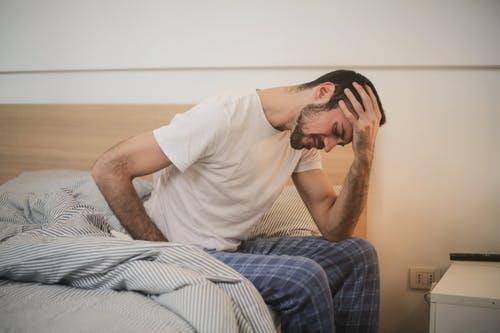
Young man in sleepwear suffering from headache in morning


A person suffering from IBS must contact a medical specialist for a detailed examination to be done so that an accurate diagnosis of the cause can be determined. Only then can a course of treatment be prescribed. The best place to go for a diagnosis and treatment is a reputed hospital with a Best Gastroenterologist in Salem. In the first stage, the doctor may advise changes in the diet and lifestyle. Some of the possible diet changes are listed below.
  • Avoid caffeine by not drinking tea, coffee, or soft drinks.
  • Increase the amount of fiber in the diet by eating more fruits, nuts, whole grains, and vegetables.
  • Increasing the daily water intake.
  • Stop smoking and the use of other tobacco products.
  • Reduce or preferably stopping alcohol consumption
  • Stop the use of recreational drugs and stimulants
  • Reduce stress and improve relaxation through yoga or meditation.
  • Get more exercise but without overstraining the body.
  • Restrict the intake of dairy products
  • Control the amount of fried and highly spiced food consumed.
  • Eat smaller meals more often. In other words, eat 5 or 6 times a day while keeping the total food intake for the day the same as it was.

Read Also: I have a burning sensation on my feet. Why are my feet on fire?

A patient of IBS is often advised to keep a detailed record of all the food and drink consumed. This will make identifying the triggers of the condition more manageable.

If dietary or lifestyle changes do not produce the desired improvement in the patient’s status, the doctor may prescribe medication to bring the problem under control.

IBS can be challenging to recognize. If you have ongoing or regular bouts of abdominal distress, contact a medical specialist to have an examination conducted so that an accurate diagnosis can be provided based on which an effective treatment plan may be devised.

Tuesday, June 9, 2020

Sitting: The New Smoking

Thanks to many awareness programs, people are now well-informed about the many hazards of smoking. Smoking is responsible for cancer, cardiac problems, bronchitis and emphysema. Every year we lose 6 million people to smoking related issues. The title of this article calls sitting the new smoking. A lot of people might find this hard to believe. This article will try to throw some light on the ill-effects of prolonged sitting.

Notice toddlers, how flexible they are. They crouch, crawl and even pop their toes into their mouth with ease. This is how agile our human body is. Unfortunately, when children start their schooling, they are more often than not chained to their desks. This sitting becomes their new normal. Our body which was designed to be mobile and active is forced to remain stationary.

Sitting: The New Smoking

Scientific Evidence on the Dangers of Prolonged Sitting

Prolonged sitting refers to being seated for 3-4 hours continuously along with a sedentary lifestyle. A number of studies have concurred that this can lead to many health issues, a few of which are given below:

  • Cancer: There is a greater incidence of various kinds of cancers in people who remain seated for 6-8 hours a day. This is irrespective of the amount of exercise that they do.
  • Heart Disease: People who are seated for more than 6 hours have a greater risk of developing a heart disease in comparison to people who are seated for only 3 hours.
  • Obesity: Diet and exercise were considered till now the cornerstones for avoiding obesity. However, only a few people are aware that sitting contributes to obesity. Being active is indeed another very important factor in avoiding obesity. According to studies conducted by Mayo Clinic, it was found that people who sit for long hours have a higher tendency to become obese in comparison to people whose work requires them to stand and move about. Obesity in turn increases the risk of heart attack, diabetes, cancer, and depression while also elevating cholesterol levels.
  • Cholesterol: Lipoprotein lipase is a chemical which controls cholesterol by burning fat. This chemical’s production is reduced in people who sit for many hours together thus leading to an increase in their cholesterol level.
  • Depression: Studies have shown that 47% of people involved in jobs requiring them to be seated for more than 7 hours suffer from depression. This increases to 90% in people who do not exercise.
  • Back Pain: Prolonged sitting leads to weakened back muscles and improper spine posture causing back pain. Normally people over 40 years of age develop back pain. But with prolonged sitting, there are increased chances of people developing back pain by 30 years of age. Sitting increases the pressure on the spinal discs, causes early wear and tear of back muscles and weakens the muscles leading to early degeneration.
Tips to Overcome Problems Caused by Prolonged Sitting

  • Avoid being seated for more than 2 hours at a stretch. If your job demands your presence at your desk continuously, take a 5- or 10-minute break to walk around and stretch your legs.
  • Try standing and working, stay mobile and while sitting, sit erect.
  • Do not slouch when you are seated. A correct sitting posture is one in which your back and thigh are at 90 degrees to one another.
  • Make sure that the computer on which you are working on is positioned properly at the right level.
  • During tea/coffee breaks, take a stroll instead of staying confined to the office space. The natural light will indeed do wonders.
  • Avoid stress and work out regularly.
Sit Smart!

A normal working day of a person involves being seated for 6-8 hours and a commute of 2 hours. This translates to spending nearly 32 years of life seated. We cannot avoid going to work or sitting at our desks, what we can avoid are the hazards of prolonged sitting now that we are aware of it. Follow the above tips, sit smart and stay healthy.

Watch Dr. G. Balamurali, senior consultant for spine and neurosurgery at Kauvery Hospital, explain the hazards of prolonged sitting and his pointers on sitting smart

Saturday, May 9, 2020

CARDIAC EMERGENCIES IN COVID -19 LOCKDOWN

Dr. Suresh Kumar shares valuable insights regarding dealing with cardiac emergencies in this COVID - 19 lockdown period. As COVID -19 cases go global, a picture is emerging as to its cardiovascular impact and how cardiologists in hard hit regions are coping. The World is facing unprecedented challenges due to COVID – 19 pandemic. However, Life has to go on.

CARDIAC EMERGENCIES IN COVID -19 LOCKDOWN


Cardiac patients are high risk

Patients with underlying cardiovascular are at a higher risk of contracting COVID – 19 and have a worse prognosis. There are increasing reports of cardiac emergencies and cardiac events happening globally and cardiovascular diseases being the number one cause of death world-wide. So, 24 X 7 care of cardiac patients become essential. We have to cater to their needs, be it a cardiac emergency or an acute cardiac event or managing patients with chronic cardiac problem visiting the hospital for their regular follow-up. It’s a highly stressful period. Not only cardiac patients are at a higher risk of developing COVID – 19 related complications; once infected, COVID – 19 infection itself may cause heart attack, myocarditis, cardiac failure, arrhythmia. These facts emphasize the quality of treatment needed for all cardiac patients. All COVID – related and non COVID related cardiac emergencies need detailed protocol, meticulous planning - assisted by a specialty team. 


All COVID patients may present with heart ache, breathing difficulties, cardiac failure, arrhythmia and so also non – COVID patients. We are not aware of the patient’s COVID status when he reports at the casualty. So, their management has to be carried out following national guidelines meticulously. Each hospital needs to plan their own strategies to give quality and emergency care to such patients to prevent mortality and morbidity.

STROKE EMERGENCY AND COVID – 19 LOCKDOWN

The world at large is facing a grave situation, the corona virus pandemic. Each of us are following standard protocols such as social distancing, washing hands, to contain the spread of this virus within our households and community. I wish to place on record our sincere appreciation and gratitude to both the central and state governments for their continuous efforts in containing this major issue.

STROKE EMERGENCY AND COVID – 19 LOCKDOWN


We at Kauvery Hospital are taking plenty of steps to help everybody in this critical scenario. Lot of travel restrictions, quarantine measures have been enforced. As a stroke physician and neurology specialist, I want to emphasize that quarantine does not mean we should shy away from hospitals, for acute medical problems like heart attack, stroke. The fear of catching COVID – 19, should not delay in seeking medical help for major medical illness like stroke, heart attack. We had missed lot of opportunities to treat patients, over the last one week, due to this enigma. For stroke, the treatment offered during the initial four and half hours is considered the “Golden hour” since clot busters can disrupt the clot and reverse the symptoms. Remember, all fevers need not be due to COVID – 19. Sometimes, fevers can cause seizures, or brain infections due to various causes. Such patients must certainly seek medical help and get the appropriate treatment. At Kauvery hospital, from the start, at the telephone exchange itself, screening for COVID begins. Patients are questioned on their health status, pertaining to COVID symptoms. At the front door of the Hospital, patients are provided with hand sanitizers, masks, etc. If a patient is found to have fever, they are triaged separately and are entrusted to the care of special team of doctors.


Feel free to come to the hospital and get the right medical attention. Day before yesterday, a patient presented to us in the window period of an acute stroke. So, with thrombolysis, his path to recovery was speeded and he is doing very well. Unfortunately, that patient in the next bed, came late and his recovery will be delayed. We are open for heart emergencies, coronary heart, neurocardiac emergencies. I want to reassure everybody that we at Kauvery Hospital are following safety measures and standard protocols at this critical corona outbreak, to help patients in times of need. So, please make sure you seek the right medical attention at the right time with the right team of doctors.

DR. Sivarajan Thandeeswaran,
Senior Consultant,
Stroke/Neurovascular Medicine
Kauvery Hospital, Chennai

Wednesday, May 6, 2020

A path to a Healthier Life. A patient’s Transformation

#PatientStory - Mr Natarjan | Hip Fracture | Kauvery Hospital Trichy Cantonment

என் பெயர் முருகானந்தன், என் அருகில் இருப்பவர் எனது தந்தை, பெயர் நடராஜன், வயது 97. கடந்த 15ஆம் தேதி வீட்டில் தவறி கீழே விழுந்து விட்டார். உடனடியாக மருத்துவரிடம் அழைத்துச் சென்றோம். X-Ray எடுத்து பார்த்து விட்டு இடுப்பில் எலும்பு முறிவு என்று உறுதிப்படுத்தி, மாவுக்கட்டு போட வேண்டும் என்று கூறினார். ஆனால், அது உடனடியாக நிவாரணம் கிடைக்காது என்பதனால், திருச்சி காவேரி மருத்துவமனையில் உள்ள டாக்டர் சொக்கலிங்கத்தை எனக்குப் பரிந்துரை செய்தனர். இங்கு வந்ததும் அடுத்த நாள் எனது தந்தைக்கு அறுவைசிகிச்சை செய்தனர். இடுப்பில் எலும்பு முறிவு என்பதனால், அதனை Screw போட்டு Plate வைத்து சரி செய்தார்கள். இப்பொழுது அவர் நல்ல உடல் நலத்துடன் இருக்கின்றார். 

A path to a Healthier Life. A patient’s Transformation


வணக்கம்! நான் Dr.சொக்கலிங்கம் காவேரி மருத்துவமனையில் எலும்பு மூட்டு மருத்துவர். நீங்கள் பார்ப்பது 97 வயதான முதியவர் இடுப்பில் எலும்பு முறிவு ஏற்பட்டு சிகிச்சைக்குபின் எழுந்து நடத்துக்கொண்டு இருக்கின்றார். எந்த இடத்தில் எலும்பு முறிவு ஏற்பட்டது, இதற்கு என்ன சிகிச்சை நாங்கள் செய்கின்றோம், எப்படி அவரை இவ்வளவு சீக்கிரம் நடக்க வைத்தோம் என்பதனை பற்றி ஒரு நிமிடம் விளக்கம் தருகிறேன். இப்பொழுது நீங்கள் என் அருகில் பார்ப்பது ஒரு Hip Bone Model. தற்போது சிறப்பான Screw, Plates-எல்லாம் வந்துவிட்டது. உலக அளவில் Screw, Plates வைத்து அறுவை சிகிச்சை செய்வது இல்லையென்றால் பந்தய மாற்று அறுவை சிகிச்சை செய்வது மிகவும் வெற்றிகரமான அறுவை சிகிச்சை. இப்பொழுது நீங்கள் சந்தித்த 97 வயது முதியவருக்கு Plate and Screw வைத்து அறுவை சிகிச்சை செய்ததால், அவருக்கு எலும்பு முறிவு சரி ஆகிவிட்டது. மேலே பந்துக்கு ஒரு பெரிய Screw-வும், தொடைக்கு ஒரு Plate-ம் வைப்பதினால், பந்து, தொடை, எலும்பு எல்லாம் ஒன்று சேருவதால் அவருக்கு வலி உடனே போய்விடுகிறது. தற்போது என்ன செய்தி என்றால், இடுப்பு பந்து மூட்டுகளில் எலும்பு முறிவு ஆகின்ற வயதான முதியவர்களை வீட்டில் வைத்து கொள்ளாமல், விரைவாக மருத்துவமனைக்கு கொண்டுவந்தீர்கள் என்றால் அறுவைசிகிச்சை செய்து அடுத்த நாளே எழுந்து நடக்கவைக்கலாம். அவரும் வலி நிவாரணத்திலிருந்து விடுபட்டு மகிழ்ச்சியாக வீட்டுக்குத் திரும்புவார். நன்றி!


இப்பொழுது அவருக்கு 97 வயது ஆகின்றது. இந்த நிலைமையில் அவர் நடப்பாரா? என்று எங்களுக்குச் சந்தேகம் இருந்தது. ஆனால், அறுவை சிகிச்சை செய்து மூன்று நாட்களில் நடக்க ஆரம்பித்து விட்டார். அது எங்களுக்குப் பெரிய மனத் திருப்தியாக இருக்கின்றது. We are Happy. இந்த வயதில் அவரும் துணிந்து இந்த அறுவை சிகிச்சைக்கு ஒப்புக் கொண்டார். நாங்களும் துணிந்து இந்த முடிவை எடுத்தோம்.

அதனால், இன்று மகிழ்ச்சியாக வீட்டுக்கு அழைத்துக் கொண்டு போகின்றோம். காவேரி மருத்துவமனையில் எல்லா வசதிகளும் இருந்தது. Doctors, physiotherapist, Staff Nurse and Male Staff அனைவரும் ஒத்துழைப்பு கொடுத்தனர். இந்த மாதிரி யாருக்கு ஏற்பட்டாலும் தாராளமாக இங்க வந்து சிகிச்சை எடுத்துக் கொள்ள வேண்டும் என்று பணிவாக வேண்டிக் கொள்கின்றேன்.

நன்றி, வணக்கம்!

Kauvery hospital

Cantonment

For Appointments

0431 4077777

Thursday, April 16, 2020

First Aid In case of Choking

உணவையோ அல்லது வேறு ஏதேனும் ஒரு அந்நிய பொருளையோ நீங்கள் விழுங்கும்பொழுது, அது உங்கள் மூச்சுக் குழலில் சிக்கிக்கொண்டு திணறலை ஏற்படுத்தக் கூடும். உடனடியாக அந்த பொருளை நீக்க நீங்கள் முயற்சிக்காவிட்டால். அது ஆபத்தினை ஏற்படுத்தக் கூடும்.


 First Aid In case of Choking


அந்த நபரால் பேச முடிய விட்டால் முதலுதவியாக 5 & 5 முயற்சியை மேற்கொள்ளவும். அந்த நபரின் பின்பக்கம் நின்று ஒரு கையை அவரது மார்புக்கு உதவியாகக் குறுக்கே வைக்கவும். தரைக்கு இணையாக அவரது உடலின் மேல்பகுதி இருக்கும் வகையில் இடுப்புக்கு அருகே குனிய வைக்கவும். அந்த நபரின் தோள்பட்டைக்கு நடுவே, உங்கள் கையின் ஒரு பகுதியால் 5 முறை அடிக்கவும், 5 முறை வயிற்றை அழுத்தவும். 5 முறை அடித்தல் மற்றும் 5 முறை அழுத்துதல் என மாறி மாறி அடைப்பு சரியாகும் வரை செய்யவும். வயிற்றின் மேற்புறம் அழுத்தம் கொடுக்கும் முறை “ஹெயிம்லிச் மேனுவர்” எனப்படும். வாயினுள் விரல்களை நுழைத்து சிக்கிக்கொண்டுள்ள பொருளை எடுக்க முயற்சிக்க வேண்டாம். இதனால், அது இன்னும் உள்ளே சென்று விடக் கூடும். முதலுதவி செய்யும்பொழுதே மருத்துவ உதவி பெற அழைக்கவும்.

Upper Abdominal Pain: Causes, Symptoms & Treatment Guide

Upper abdominal pain is a common complaint that can range from mild discomfort to a sign of a serious underlying condition. The upper abdome...